
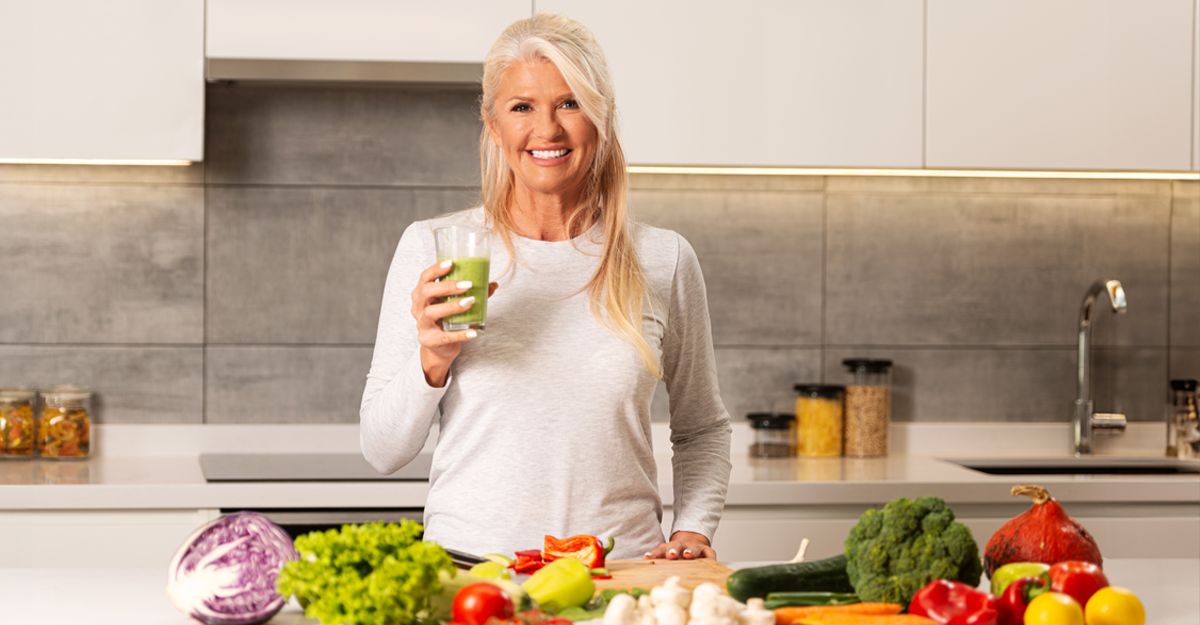
Starting a new year can feel like hitting a reset button—but for seniors, it’s not about overhauling everything overnight. Small, consistent changes in movement, nutrition, and self-care add up, and they can be enjoyable rather than stressful. Whether you’re looking to restore your energy levels, stay active, or feel better day-to-day, setting realistic goals is the key to success. These health tips for older adults are designed to give you the clarity you need to approach the new year with confidence.
Stay Active
Keeping your body moving is essential for long-term wellness—but “exercise” doesn’t have to be complicated. Daily walks, light strength exercises, and gentle stretching can all add up to big benefits.
The National Institute on Aging recommends finding activities you enjoy, staying consistent, and gradually increasing intensity. Practical ways to stay active include:
- Daily neighborhood or park walks
- Resistance exercises with bands or light weights
- Balance routines and gentle stretching
- Activity-based hobbies like dancing, gardening, or swimming
For added support, consider supplements and tools that help maintain energy and strength: check out Energy Support and Protein Powders from the Professional Supplement Center.
Nourish the Body
Fueling your body with nutrient-rich foods is the foundation of senior health. Focus on simple, colorful meals packed with vegetables, fruits, and superfoods that support energy, immunity, and overall wellness. Small changes like adding a greens powder or incorporating antioxidant-rich foods can make a noticeable difference over time. Try these tips for practical nutrition:
- Include protein and healthy fats to support muscle and metabolism
- Stay hydrated throughout the day
- Add colorful fruits and vegetables for fiber and antioxidants
- Reduce processed foods and added sugars
For extra nutritional support, explore Greens & Superfoods. Learn more about practical healthy eating from NCOA: Healthy Eating Tips for Seniors.
Maintain Vitality and Strength
Maintaining strength, flexibility, and cardiovascular health doesn’t need to be intimidating. Even short daily sessions of resistance or bodyweight exercises can improve mobility, reduce fall risk, and boost overall quality of life. Here are some ways to maintain your innate vitality:
- Include light weightlifting, resistance bands, or chair exercises
- Practice stretching or yoga to improve flexibility
- Stay socially engaged through group classes or walking clubs
- Track progress to celebrate small wins
Looking for gear or accessories to support fitness goals? Shop Sports and Fitness!
The Takeaway
Getting stronger, healthier, and more vibrant in the new year doesn’t have to be intimidating. By focusing on consistent, manageable steps—whether it’s moving more, eating nutrient-rich foods, or supporting vitality with practical tools—you’re giving yourself the gift of improved senior health.
Whether you’re exploring senior health tips for yourself or sharing ideas with a friend or family member, these approaches make healthy living feel accessible and enjoyable. It’s never too late to strengthen your body, nourish your mind, and embrace a lifestyle that supports independence, mobility, and overall wellness.
For more practical tips and strategies, check out resources from NIA: Tips for Getting and Staying Active as You Age and NCOA: Motivation for Older Adults.
FAQs
What are the most effective ways for seniors to stay active?
Simple, consistent movement is key. Daily walks, light resistance exercises, balance routines, or activity-based hobbies like gardening or dancing all contribute to improved energy, mobility, and mood.
Which nutrition strategies make the biggest difference for seniors?
Prioritize protein, colorful fruits and vegetables, and hydration. Supplements like greens and superfoods can fill gaps, support daily energy, and make healthy eating easier to maintain.
Where can I find practical guidance to support senior health goals?
Explore reputable resources like MedlinePlus Healthy Aging for evidence-based strategies that make wellness goals achievable.
* These statements have not been evaluated by the Food and Drug Administration. The products mentioned are not intended to diagnose, treat, cure, or prevent any disease.
- About the Author
- Latest Posts

Kimberlee Springer, an Austin-based nutritionist from Nashville, TN, is your go-to for all things wellness. When she’s not talking vitamins, you can find her decoding planetary symbolism, walking her dog, or bird-watching with the enthusiasm of a kid in a candy store.